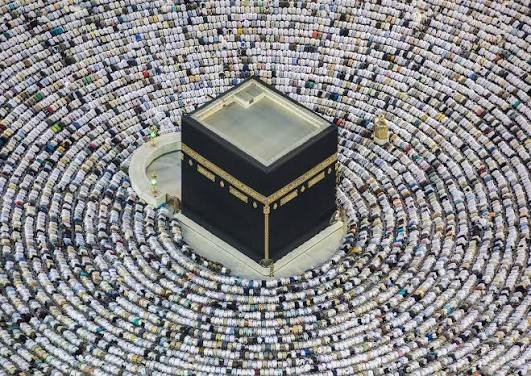
The Great Mosque of Mecca fell into a brief but intense panic late Thursday night, and the aftershocks of that moment are still being felt across the Islamic world. As tens of thousands of worshippers circled the Kaaba in the Tawaf ritual, a disturbance inside Masjid al-Haram triggered a wave of fear that spread far beyond the marble courtyards. Within minutes, viral videos and conflicting reports had turned a localized incident into a global talking point, sparking debates about safety, misinformation, and the thin line between calm and chaos at Islam’s holiest site.
What actually happened near the Kaaba
Shortly before 11 p.m., the steady flow of pilgrims came to an abrupt halt. Shouts broke out near one of the main entrances to the central esplanade. Heavily armed security personnel and plainclothes officers rushed in to subdue a man whose behavior was erratic and aggressive. The immediate response was swift—but the rumor mill was faster.
How a rumor went viral
Social media exploded. Clips filmed from the upper galleries showed crowds surging backward and emergency teams sealing off the area. Within an hour, several regional and international accounts claimed a suicide bombing had been foiled inside the sanctuary. The story spread like wildfire: a man with an explosive belt had allegedly reached the vicinity of the Kaaba, only for his device to fail at the last second. The mere suggestion that a bomb could penetrate the most sacred site in Islam sent shockwaves through the Middle East and beyond. For hours, the world held its breath, dreading a massacre that never came.
Official denial and the battle against disinformation
By early morning, Saudi authorities broke their silence. The Interior Ministry firmly denied any bomb attempt or presence of explosives. According to the security forces’ spokesman for the holy capital, the intervention targeted a man with obvious behavioral disorders who was harassing pilgrims, shouting slogans, and causing stampedes. “The man was arrested immediately by patrols on site before the situation could spiral out of control. Rumors of an explosive vest or a failed bomb are completely unfounded,” the official statement said, adding that the suspect had been referred to the public prosecutor.
Yet the episode has exposed how vulnerable the holy sites are to modern information warfare. In a tense regional climate, contextually edited videos or snippets of security interventions can manufacture a near-disaster narrative in minutes. For Riyadh, containing panic is now as critical as neutralizing a physical threat.
Inside the security apparatus of the Grand Mosque
Although the terrorist angle was officially ruled out for this specific incident, the uproar serves as a reminder that Mecca’s security remains an absolute strategic priority for the Saudi kingdom. The Grand Mosque, which hosts millions of pilgrims each year for Hajj and Umrah, boasts one of the most sophisticated security infrastructures in the world:
- Mass video surveillance: More than 10,000 high-definition cameras scan every square meter of the complex, linked to command centers using facial recognition and algorithmic behavioral analysis.
- Dense human network: Thousands of National Guard members, traffic police, and special forces are permanently deployed in and around the sanctuary.
- Strict access screening: Entry points to the holy city and the mosque’s esplanades undergo multiple levels of checks to prevent weapons or dangerous substances from entering.
The Grand Mosque’s history has been marked by tragedies and direct threats before. From the bloody 1979 hostage crisis led by Juhayman al-Otaybi to foiled terrorist plots against the sanctuary in the past, the Saudi monarchy knows its role as “Custodian of the Two Holy Mosques” rests entirely on its ability to guarantee absolute safety at these sacred sites.
Relief mixed with vigilance
In Mecca, rituals quickly returned to normal. At sunrise, the mosque’s marble colonnades echoed once again with the rhythmic footsteps of pilgrims from around the world. The traces of the night’s stampede had vanished, erased by the relentless sweep of cleaning crews and the return of worshippers to morning prayers.
But beyond the marble of the Grand Mosque, this event leaves a clear warning. Whether it was a botched attack or a false alarm turned into collective psychosis, the margin between serenity and chaos within the Grand Mosque remains extremely thin. In a hyperconnected world where a single spark can ignite public opinion, Mecca’s security is now fought as much on the ground as on the information front.